
When you’re planning a new building project, you’ll often hear two terms early in the process: budgetary estimate and formal quote. While they may sound similar, they serve very different purposes during the planning and design stages of your project.
Understanding the difference helps set clear expectations and prevents confusion as your project moves from an idea to a fully planned structure.
At Greiner Buildings, we guide customers through both stages so they can make confident decisions long before construction begins.
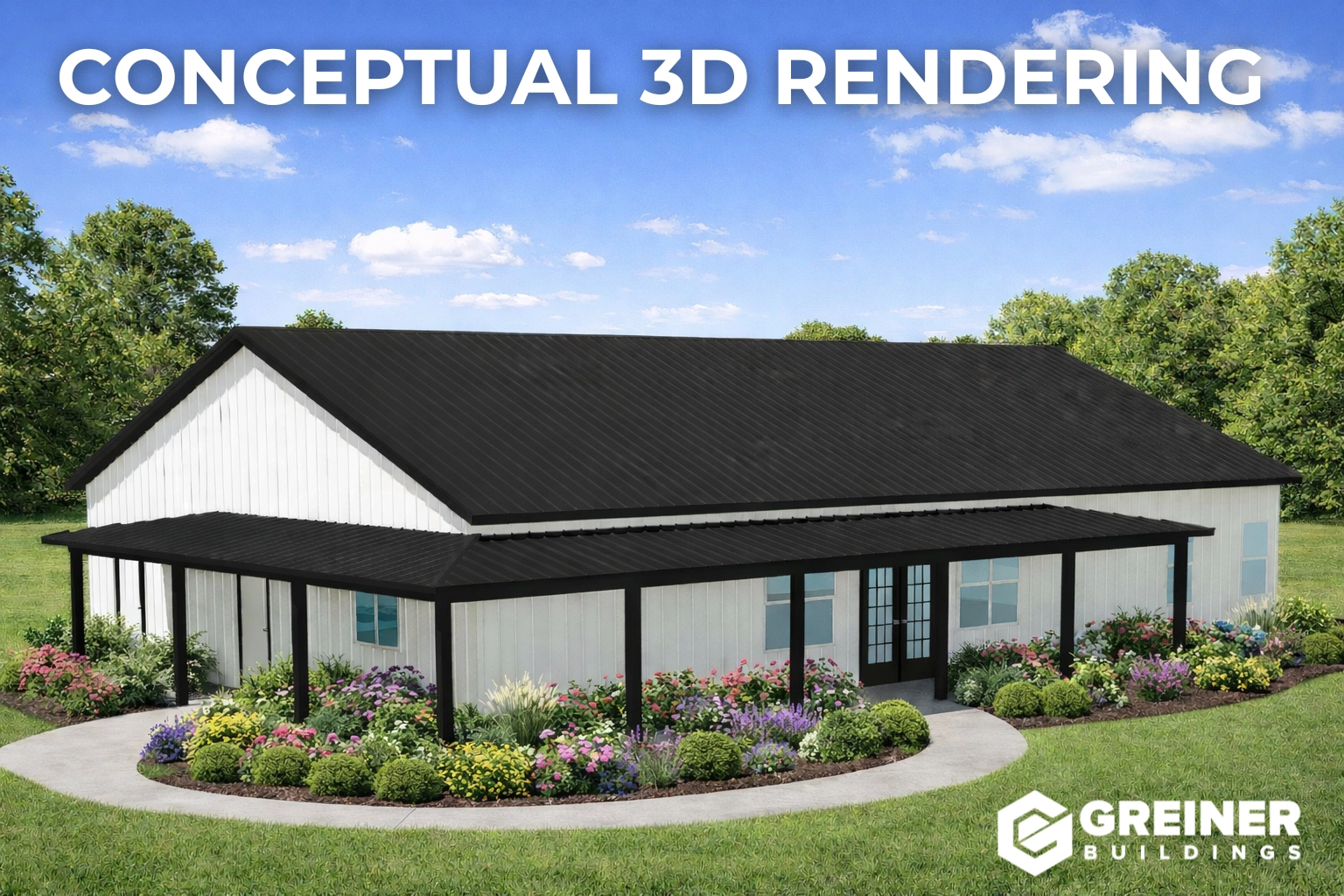
Quick Answer: Budgetary Estimate vs. Formal Quote
Budgetary Estimate
WHAT IT IS:
Early-stage price range used for planning
WHEN TO USE IT:
Before design work begins
BASED ON:
Preliminary project details and similar project data
INCLUDES SUBCONTRACTOR BIDS:
No
Formal Quote
WHAT IT IS:
Accurate project price based on detailed design
WHEN TO USE IT:
After schematic design is completed
BASED ON:
Official subcontractor bids and supplier pricing
INCLUDES SUBCONTRACTOR BIDS:
Yes
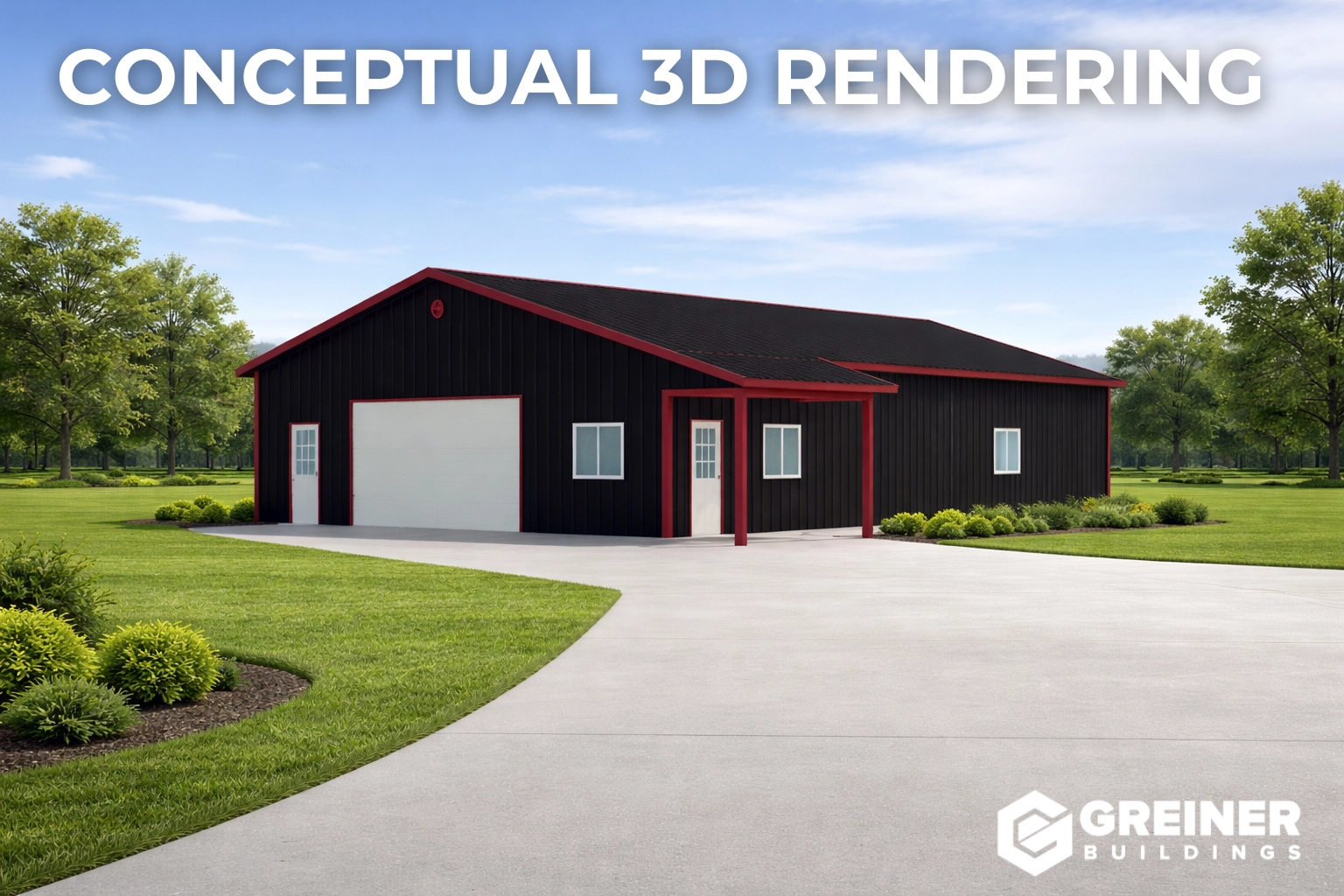
What Is a Budgetary Estimate?
A budgetary estimate is an early-stage cost projection designed to help determine whether a project fits within your financial goals before investing time into full design work.
At this stage, the building concept is still being shaped. The size, features, materials, and layout may evolve as ideas are refined.
Budgetary estimates are built using our own advanced custom-built pricing software, data from comparable past projects, and our team’s hands-on experience with similar builds.
Because the project is still in the early planning phase, we do not gather formal subcontractor quotes at this stage.
Instead, the goal is to provide a realistic planning range that helps answer important questions such as:
- Does this project align with my budget?
- Should we adjust the building size or features?
- Is now the right time to move forward?
A budgetary estimate helps customers make informed decisions before investing in detailed design and engineering.
What Is a Formal Quote?
A formal quote comes later in the planning process once a schematic design has been created.
A schematic design is a professionally developed representation of the project that closely reflects what the final building will look like. It defines the structure’s layout, dimensions, and major design components.
Because the project details are now clearly defined, we are able to gather formal bids from subcontractors and suppliers.
These real-world bids allow us to generate a much more precise and dependable project price.
A formal quote reflects:
- The full scope of the building
- Confirmed material costs
- Labor and construction requirements
- Subcontractor pricing
- Project specifications
This is the stage where a project transitions from concept to commitment.
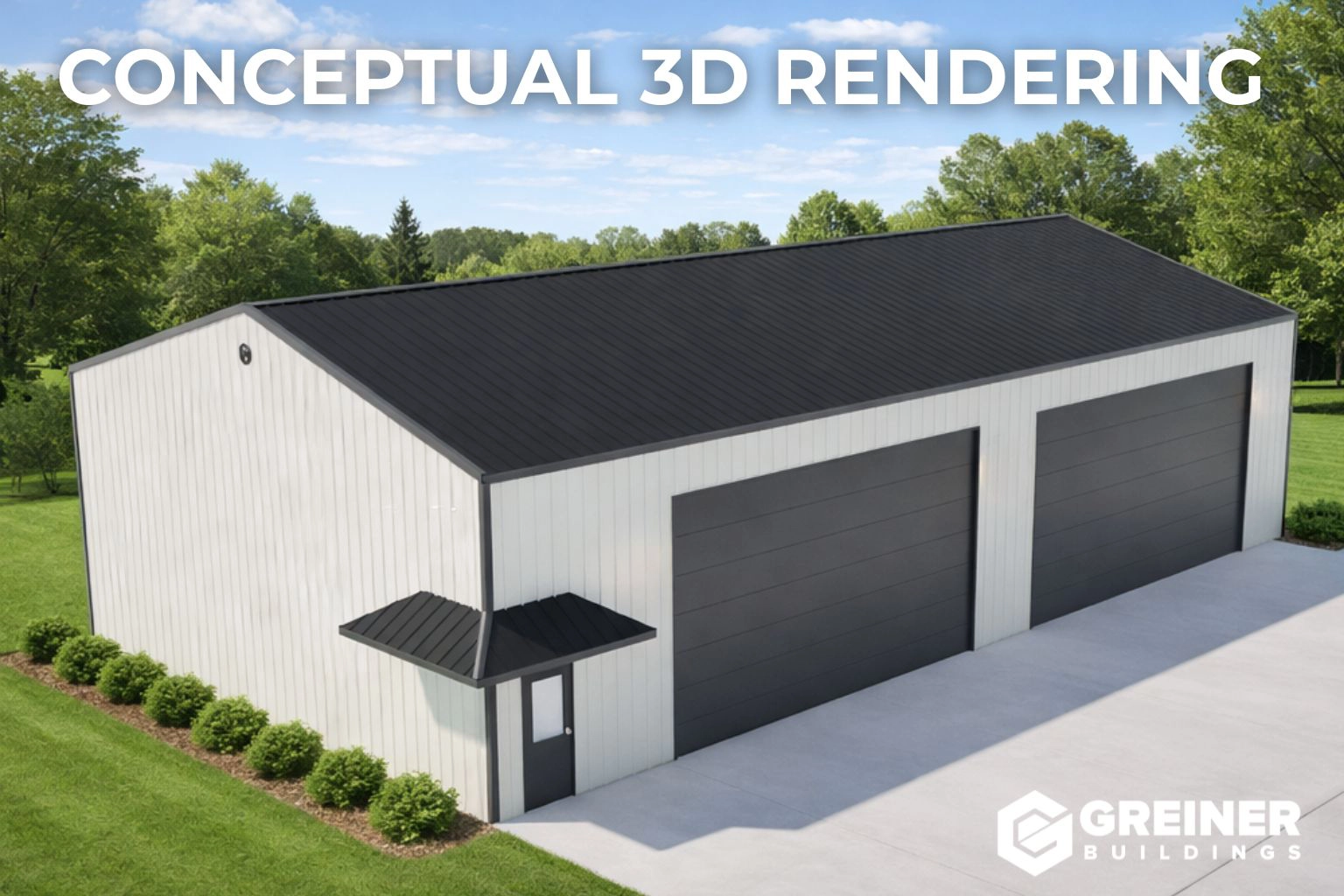
Real Example: How a Budgetary Estimate Turns Into a Formal Quote
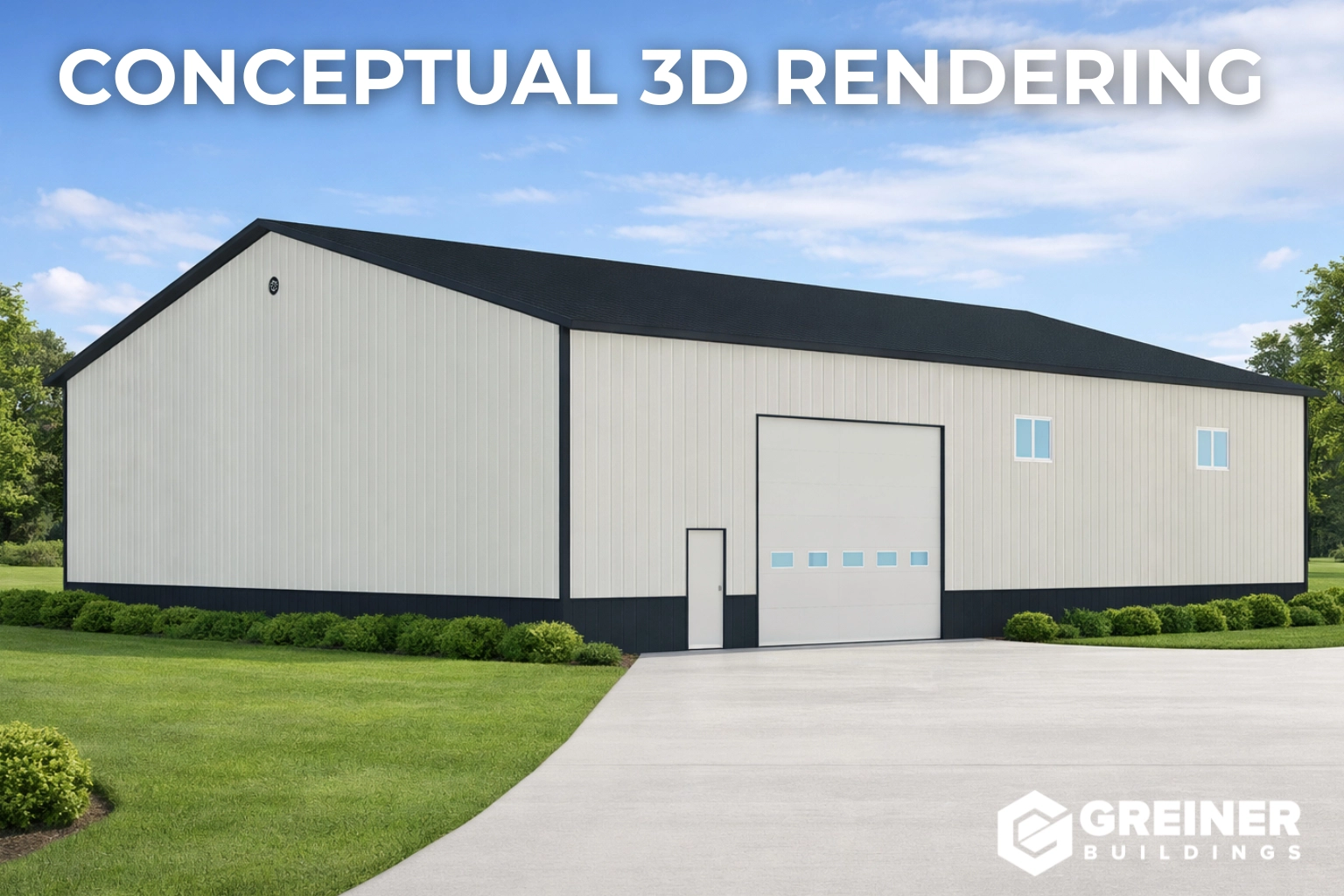
Imagine a customer planning a 40X72X16′ Garage in Iowa.
During the first conversation, the customer shares a few early details:
- Desired building size
- General location
- Intended use for the building
- Basic features like doors, insulation, or interior space
Using this information, our team creates a budgetary estimate. At this stage, the estimate helps answer a simple question:
Does this project direction make sense financially?
If the budgetary estimate comes in higher than expected, that’s not a dead end. It’s an opportunity to explore adjustments — whether that means scaling back the size, simplifying certain features, or revisiting the timeline. The process is flexible by design.
If the direction makes sense, the next step is developing a schematic design of the building. Once the design is finalized, we gather formal bids from subcontractors and suppliers, which allows us to produce a formal quote that reflects the actual cost of constructing the building.
This process allows customers to move forward confidently, knowing the project has been carefully planned and priced.
Why Both Steps Matter in the Building Process
Some people wonder why builders don’t simply provide a final quote immediately.
The reason is simple: accurate pricing requires accurate information.
A budgetary estimate helps determine whether a project direction makes sense before investing significant time into design work. A formal quote then provides the detailed pricing required to move forward with construction.
Together, these two steps create a smoother, more transparent process that protects both the customer and the builder.
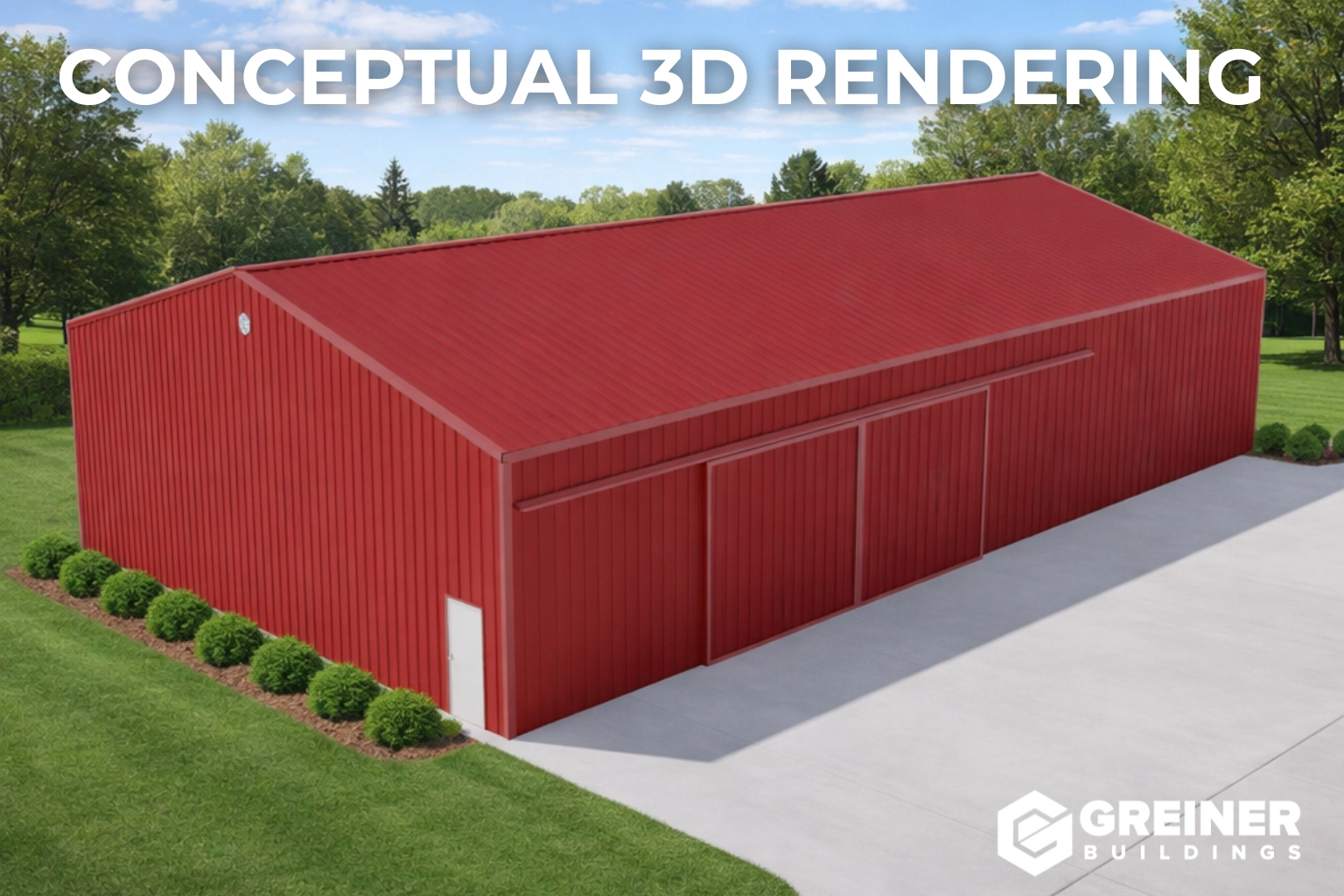
Planning a Post Frame or Steel Building in Iowa or Illinois?
For more than 35 years, Greiner Buildings has helped customers across Iowa and Illinois plan and price post-frame building costs with confidence — from early estimates all the way through construction.
Whether you’re planning a:
- Farm building
- Hobby shop or pole barn
- Commercial building
- Storage facility
- SHOME®
Understanding the early planning stages helps make the process smoother and more predictable. That process often begins with a conversation about your goals, timeline, and budget.
Start the Conversation
If you’re thinking about building and want to explore what your project might look like, our team is ready to help.
Your vision deserves a plan built with confidence.
Visit greinerbuildings.com or call 319-653-5532 today.
Frequently Asked Questions About Pole Barn Pricing
Is a budgetary estimate accurate?
A budgetary estimate provides a realistic planning range based on early project details and similar past projects. While it is informed by pricing data and experience, the final price may change as design details and subcontractor bids are finalized.
Why don’t builders give a final quote immediately?
Accurate construction pricing requires clear project details. Builders typically provide a budgetary estimate first so customers can evaluate feasibility before investing time into full design and subcontractor bidding.
What is a schematic design in construction?
A schematic design is a professionally developed concept drawing that outlines the size, layout, and key features of a building. It provides enough detail for builders to gather subcontractor bids and produce an accurate project quote.
When do subcontractor bids get included in pricing?
Subcontractor bids are typically gathered during the formal quote stage after a schematic design has been completed and the project scope is clearly defined.